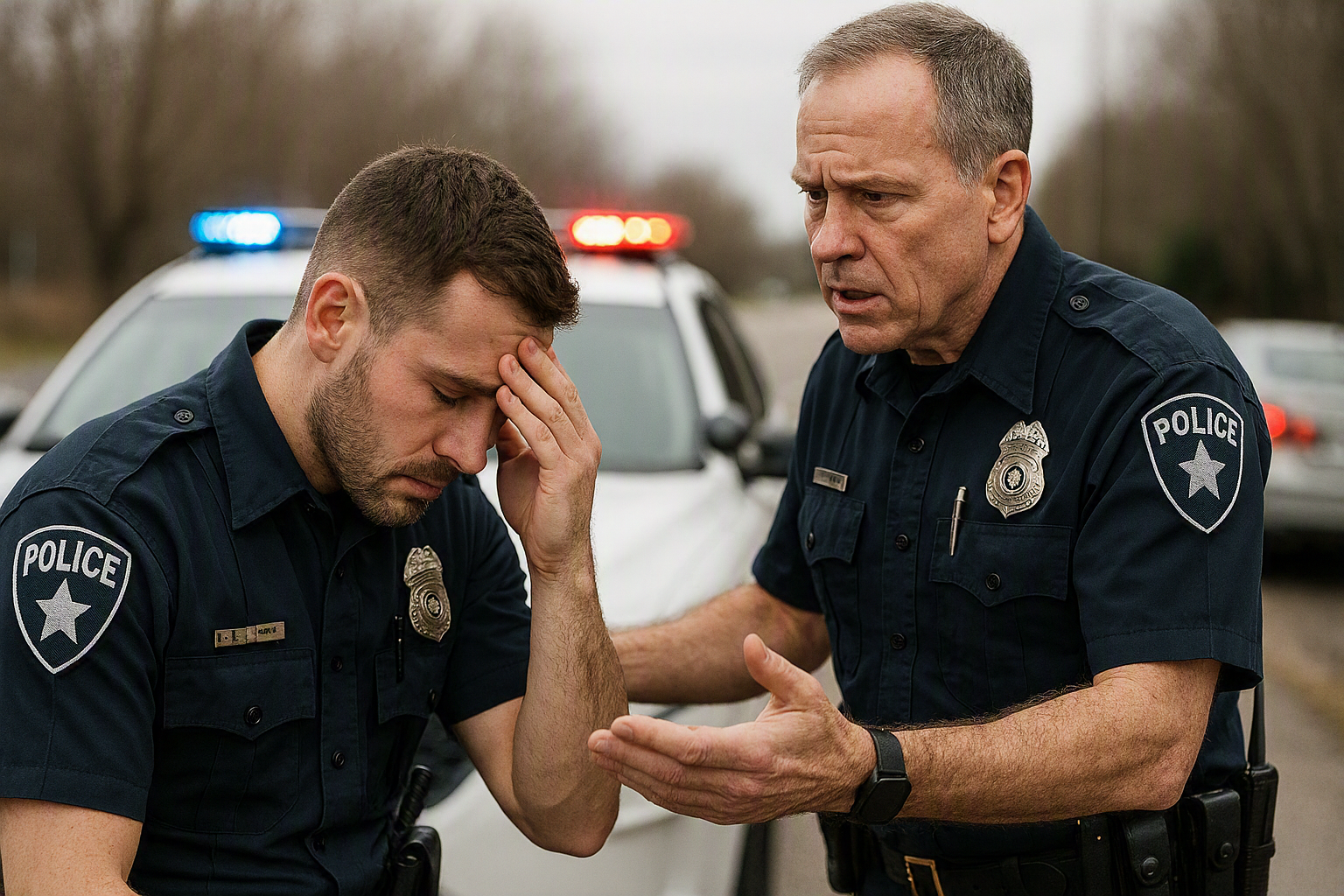
Every supervisor eventually faces the same difficult question.
A dependable officer who has always performed well suddenly starts turning in reports late. They're quieter during briefing, less engaged on calls, and seem increasingly frustrated over routine issues. Coworkers begin to notice, and the team's performance starts to feel different.
Your next decision matters.
Do you coach them?
Hold them accountable?
Or ask what's really going on?
The challenge is that burnout and poor performance often look alike. Both can lead to missed deadlines, lower productivity, reduced initiative, and changes in attitude. Responding too quickly—or making the wrong assumption—can damage trust, lower morale, and make the problem worse.
Effective leadership isn't about choosing between accountability and compassion. It's about knowing when each is appropriate.
This guide will help you recognize the difference between burnout and poor performance so you can make better leadership decisions, support your officers effectively, and maintain the professional standards your agency expects.
Why Burnout and Poor Performance Are Easy to Confuse
At first glance, burnout and poor performance often produce the same warning signs.
An officer who is struggling may:
- Miss deadlines
- Show less initiative
- Withdraw from coworkers
- Become more irritable
- Make more mistakes
- Seem distracted or disengaged
If you only focus on those behaviors, it's easy to reach the wrong conclusion.
The better question isn't:
"What's wrong with this officer?"
It's:
"Why has this changed?"
That's where effective supervision begins.
Burnout typically affects an officer's capacity to perform. They're often overwhelmed by cumulative stress, fatigue, or emotional exhaustion, even though they still care about doing a good job.
Poor performance is different.
The officer has the ability to meet expectations but isn't consistently applying the effort, discipline, or accountability necessary to perform at the required standard.
Recognizing that difference helps supervisors choose the right leadership response instead of reacting to the symptoms.
Leadership Takeaway
Don't manage the behavior until you understand what's causing it.
Before You Act, Slow Down
When performance changes, supervisors naturally want to fix the problem.
The temptation is to move immediately toward coaching—or discipline.
Resist that urge.
Strong supervisors gather information before making decisions. They look for patterns, ask questions, and consider the complete picture before deciding how to respond.
Before your next performance conversation, work through these four steps.
Observe
Look for patterns, not isolated incidents.
Ask yourself:
- Has this officer's behavior changed?
- Is the decline sudden or gradual?
- Are multiple areas of performance affected?
- Have coworkers noticed the same changes?
One bad shift doesn't define an officer.
Consistent changes deserve attention.
Ask
Before making assumptions, have a private conversation.
The goal isn't to solve the problem immediately.
The goal is to understand it.
Questions like these encourage honest discussion:
- "I've noticed some changes lately. How are things going?"
- "Is there anything affecting your work that you'd like to talk about?"
- "What support would help you be successful?"
Listen carefully.
Sometimes you'll discover burnout.
Sometimes you'll uncover a performance issue.
Sometimes you'll find something completely unexpected.
Assess
Now step back and evaluate what you've learned.
Consider:
- Does the officer understand expectations?
- Have they demonstrated success in the past?
- Is this temporary or becoming a pattern?
- Have they already received coaching?
- Are outside factors affecting performance?
Good supervisors don't rush to judgment.
They make informed decisions.
Respond
Only after gathering information should you decide how to move forward.
The right response may involve:
- Coaching
- Additional support
- Clarifying expectations
- Connecting the officer with available resources
- Corrective action
Leadership isn't about using the same approach every time.
It's about choosing the response that best fits the situation.
Leadership Takeaway
Slow down long enough to understand the problem. The quality of your decision depends on it.
Is It Burnout?
Burnout rarely happens overnight.
It usually develops gradually as prolonged stress, emotional fatigue, staffing shortages, overtime, and cumulative exposure to difficult situations begin affecting an officer's ability to perform consistently.
Recognizing the warning signs early allows supervisors to intervene before performance continues to decline.
1. Their Behavior Has Changed
Burnout often begins with a noticeable shift from an officer's normal behavior.
A proactive officer becomes disengaged.
Someone who regularly volunteered for assignments now does only what's required.
A dependable team member becomes withdrawn.
The important question isn't whether the behavior is concerning.
It's whether the behavior is new.
A sudden change deserves a conversation before assumptions are made.
2. They're Emotionally Exhausted
Burnout affects far more than physical energy.
It often reduces patience, focus, and emotional resilience.
Look for signs such as:
- Increased frustration
- Difficulty concentrating
- Less patience with coworkers or the public
- Lower confidence
- A noticeable loss of enthusiasm
These behaviors don't excuse poor performance.
But they may indicate an officer who's running on empty rather than one who simply doesn't care.
3. Performance Declines Across Multiple Areas
Burnout usually doesn't affect just one responsibility.
Instead, supervisors often notice a gradual decline across several aspects of the job.
For example:
- Reports become less detailed.
- Initiative decreases.
- Communication changes.
- Small mistakes become more common.
- Follow-through becomes inconsistent.
When several responsibilities begin slipping at the same time, it's worth looking beyond the symptoms before assuming the issue is accountability.
4. They Want to Improve
One of the strongest indicators of burnout is how an officer responds to feedback.
Burned-out officers are often frustrated by their own performance. They recognize something has changed and genuinely want to improve, even if they don't know how to get back to where they were.
That willingness matters.
It often tells supervisors they're dealing with a capacity issue rather than a commitment issue.
5. Outside Stress Is Affecting Performance
Supervisors don't need to become counselors.
They do, however, need to recognize that officers don't leave life's challenges at the station door.
Family responsibilities, financial pressure, health concerns, prolonged overtime, or cumulative trauma can all influence performance.
Understanding that context doesn't mean lowering standards.
It means choosing the most appropriate leadership response.
If you'd like to learn more about the causes and organizational impact of burnout, read The Hidden Cost of Leadership Burnout in Law Enforcement before addressing individual performance concerns.
Or Is It a Performance Problem?
Not every performance issue is caused by burnout.
Sometimes an officer has the skills, experience, and resources to succeed but continues to fall short of expectations. In those situations, supervisors have a responsibility to move beyond support and address the issue directly.
The key is fairness.
Every officer deserves coaching and an opportunity to improve. But every officer is also responsible for meeting the standards of the profession.
Here are five indicators that the issue may be performance rather than burnout.
1. Expectations Are Clear
Before addressing accountability, ask yourself one question:
Has this officer been set up for success?
They should know:
- What's expected of them
- How success is measured
- What acceptable performance looks like
If expectations have been communicated clearly and performance still falls short, the conversation should shift from clarification to accountability.
2. Coaching Hasn't Changed Behavior
Coaching should almost always come before discipline.
If you've already:
- Provided constructive feedback
- Clarified expectations
- Offered guidance
- Followed up
...and nothing has changed, it's time to address the issue more directly.
Good supervisors coach first.
Great supervisors also recognize when coaching alone isn't enough.
3. The Problems Are Selective
Burnout usually affects overall performance.
Performance issues are often more selective.
For example, an officer may:
- Complete proactive work but neglect reports.
- Excel on high-profile calls but ignore routine responsibilities.
- Meet expectations when being observed but struggle when working independently.
Selective performance often points to accountability rather than exhaustion.
4. They Avoid Responsibility
Pay attention to how the officer responds during difficult conversations.
Burned-out officers often acknowledge they're struggling.
Officers with performance issues may consistently shift responsibility to:
- Other officers
- Supervisors
- Policies
- Equipment
- Staffing
- "Bad luck"
Personal accountability is often the first step toward meaningful improvement.
5. Performance Doesn't Improve
Support matters.
Coaching matters.
But both should lead somewhere.
If you've listened, coached, clarified expectations, provided resources, and followed up—but performance remains unchanged—the issue has likely moved beyond support.
At that point, accountability becomes part of your responsibility as a leader.
Holding officers accountable isn't punitive.
It's how supervisors maintain professional standards while being fair to the rest of the team.
Burnout vs. Poor Performance: A Quick Comparison
Sometimes the easiest way to evaluate a situation is to step back and compare the overall pattern.
No single sign tells the whole story.
Look for patterns, gather information, and avoid making decisions based on one conversation or one difficult shift.
Leadership Takeaway
Treat every officer fairly—but don't treat every situation the same.
Choosing the Right Leadership Response
Once you've identified the likely cause, your job shifts from assessment to action.
If the issue is burnout:
- Listen before you lead.
- Remove unnecessary barriers where possible.
- Connect the officer with available resources.
- Set clear expectations for improvement.
- Schedule follow-up conversations.
If the issue is performance:
- Clarify expectations.
- Develop an improvement plan.
- Document coaching conversations.
- Follow through consistently.
- Hold the officer accountable if improvement doesn't occur.
Support and accountability are not opposites.
In fact, the best supervisors provide both.
Supporting officers through difficult periods while maintaining professional standards builds trust because officers know they'll be treated fairly, consistently, and with respect.
If you're looking for additional guidance on balancing expectations with morale, read our article on Balancing Accountability and Morale in Policing.
Why Getting This Right Improves Officer Retention
The way supervisors respond to struggling officers affects far more than individual performance.
It shapes the culture of the entire team.
When supervisors rush to judgment, officers notice.
When accountability is inconsistent, officers notice.
And when struggling officers receive no support until problems become disciplinary issues, everyone notices.
The best supervisors build cultures where officers know two things:
- High standards matter.
- Leadership cares enough to understand the problem before deciding how to respond.
That balance strengthens trust, improves morale, and encourages officers to seek help early instead of waiting until problems become crises.
It also plays an important role in retaining experienced officers.
Many officers don't leave because they faced difficult days—they leave because they lost confidence in the leadership around them.
If you want to build an agency where good officers choose to stay, read Why Good Officers Stay: How First-Line Supervisors Shape Officer Retention.